
How to Layer Natural Textures in a Calm Living Room
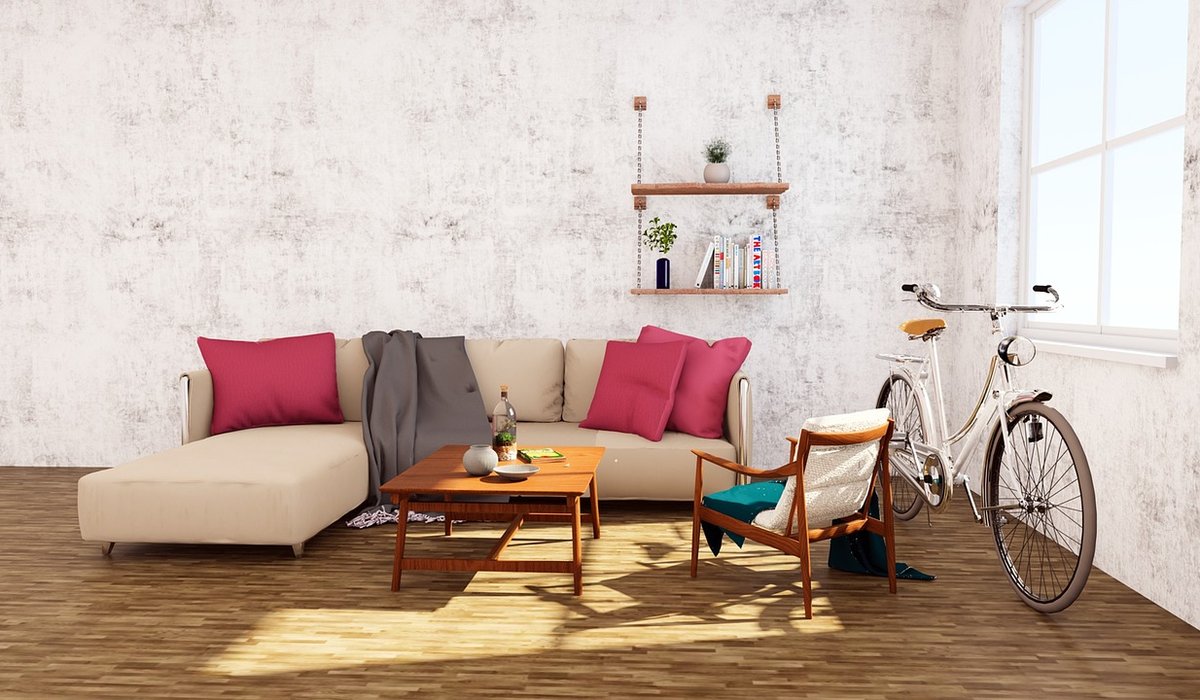
Let the palette stay quiet, then let texture do the talking
The trick to a living room that feels calm rather than flat is to keep the colours close together and let the materials pull apart. Choose two or three neutrals and stay with them: chalky off-white, oatmeal, mushroom, a soft warm grey, maybe a whisper of clay. Then hold everything within that family — walls, sofa, rug, curtains, the lot — and use linen, wool, rattan and wood to create all the interest.
Texture reads through light and shadow, not pigment. When the palette is quiet, the eye relaxes and starts to notice weave, grain and pile instead. A rough jute underfoot, a slubby linen at the window, a smooth turned-wood bowl: that is contrast doing its work without a single loud colour.
A useful rule is no more than five materials in one sightline, and never fewer than three. Fewer than three and the room feels thin; more than five and it tips into fuss.
Start with the largest surfaces: floor and walls
Layering is easiest to get right when you build from the ground up, because the biggest surfaces set the tone and everything else is a response to them.
- Floor: a flat-weave jute or sisal rug in a natural undyed tone is the honest base layer. Add a smaller wool rug on top, offset slightly so both edges show. Leave a good 30–45cm of bare floor around the edge so the room keeps its proportions.
- Walls: limewash, clay paint or a soft plaster finish gives a chalky, light-absorbing surface that flatters every other texture in the room. A standard matt emulsion in a warm off-white works perfectly well too.
- Floorboards: if you have them, keep the finish matte. Oiled timber looks warmer and calmer than a high-gloss lacquer, and it lets the grain stay visible rather than reflecting the room back at you.
Once the base is muted, nothing you add later has to shout to be noticed.
Linen and wool: softness with a bit of weight
Soft textiles soften sound as well as sight, and a room with a bit of acoustic padding always feels calmer. Linen is the great workhorse here: unlined or lightly half-lined curtains in a washed linen hang beautifully, drape in relaxed folds and filter daylight into something gentler. Hang them close to the ceiling and let them reach the floor, even just brushing it.
For wool, think in weights rather than colours:
- Chunky: a thick lambswool or undyed wool throw over the arm of a sofa or the back of a chair. Ribbed or cable knit adds shadow and depth.
- Fine: a brushed lambswool cushion in a slightly deeper tone than the sofa, so it reads as a quiet shadow rather than a statement.
- Pile: a small sheepskin or a wool rug with a low pile underfoot brings warmth where you actually sit.
Keep cushion sizes mixed — two at 50cm square at the back, a smaller 35cm one in front — and stick to two or three per seat. Feather or wool-filled pads hold their shape better than foam and will not slump into flat squares after a month.
Rattan, cane and warm wood: the quiet structure
Natural materials with a bit of hardness stop a soft room from becoming a cloud. Rattan and cane are wonderfully light visually, so they add shape without adding weight — a pendant shade, a side chair, a shallow tray, the back of a dining seat tucked into a corner.
For timber, choose warm mid-tones: oak, ash, elm, cherry. Keep the family consistent, or at most two tones in one room, and repeat one of them somewhere else. A pale ash coffee table against warm oak floorboards can look accidental, but a small oak bowl on that same table ties the two together very neatly.
Matte finishes are your friend. Oiled or soaped wood, brushed brass rather than polished, cane left natural rather than stained — all of these sit quietly next to linen and wool.
How much contrast — and where to stop
Layer in threes: one soft (wool, velvet, sheepskin), one rough (jute, rattan, raw linen, unglazed ceramic) and one smooth (a turned-wood bowl, a stone coaster, a glazed pot). Put that trio within arm's reach of wherever you sit most, and repeat the same principle around the room so the eye keeps finding the pattern.
Scale matters as much as material. A chunky knit cushion next to a fine cotton one gives more interest than two of either. And resist filling every surface: leave one shelf, one section of wall and one corner deliberately bare. Empty space is what lets texture register.
Small seasonal shifts that keep it alive
The joy of a neutral base is that it changes with almost no effort. In spring and summer, swap the wool throw for a washed cotton or a light bouclé, roll up the heavier rug, and bring in dried grasses or a few stems in a stoneware jug. In autumn, layer the wool back in, add a sheepskin over the armchair and switch to a heavier linen at the window.
Keep a lidded rattan basket or two for the out-of-season pieces, so the swap takes ten minutes rather than an afternoon. Rotating rather than restyling is what keeps a calm room feeling cared for all year round — and stops you buying anything new to make it feel fresh again.


Mix practical pieces with a few treasured objects, leaving breathing space between groups. Choose one accent colour and repeat it for a considered, restful display.
Mint, thyme, rosemary and basil thrive in pots when given sun and free-draining compost. Group them near a door for easy picking and lovely scent.
Choose native ferns, hellebores and foxgloves for damp shade. Leave seed heads over winter and avoid tidy cutbacks until the worst frost has passed.
Stand containers on feet so water can drain away, and prune for airflow. Feed during the growing season, but hold back in very wet spells.